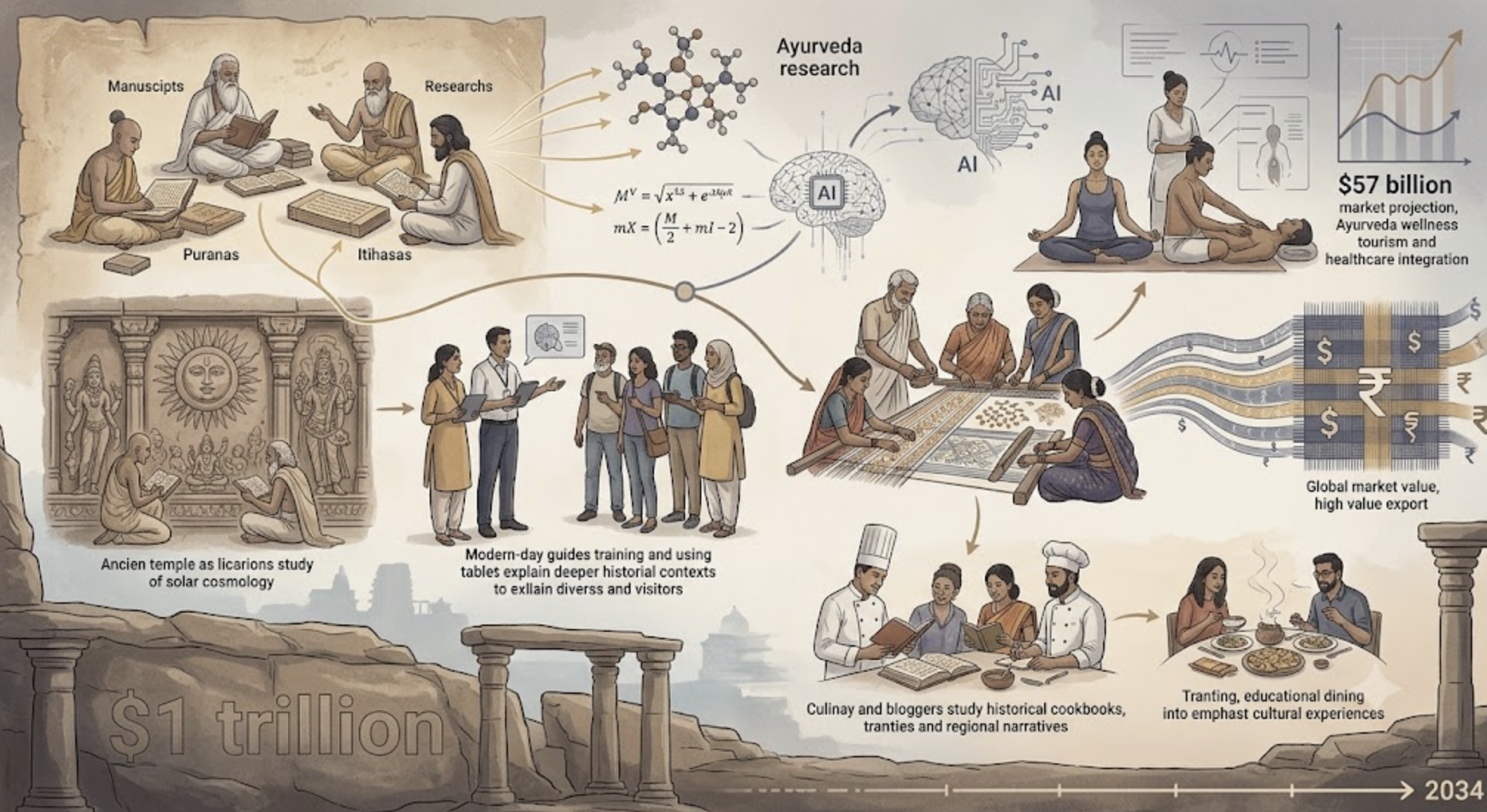
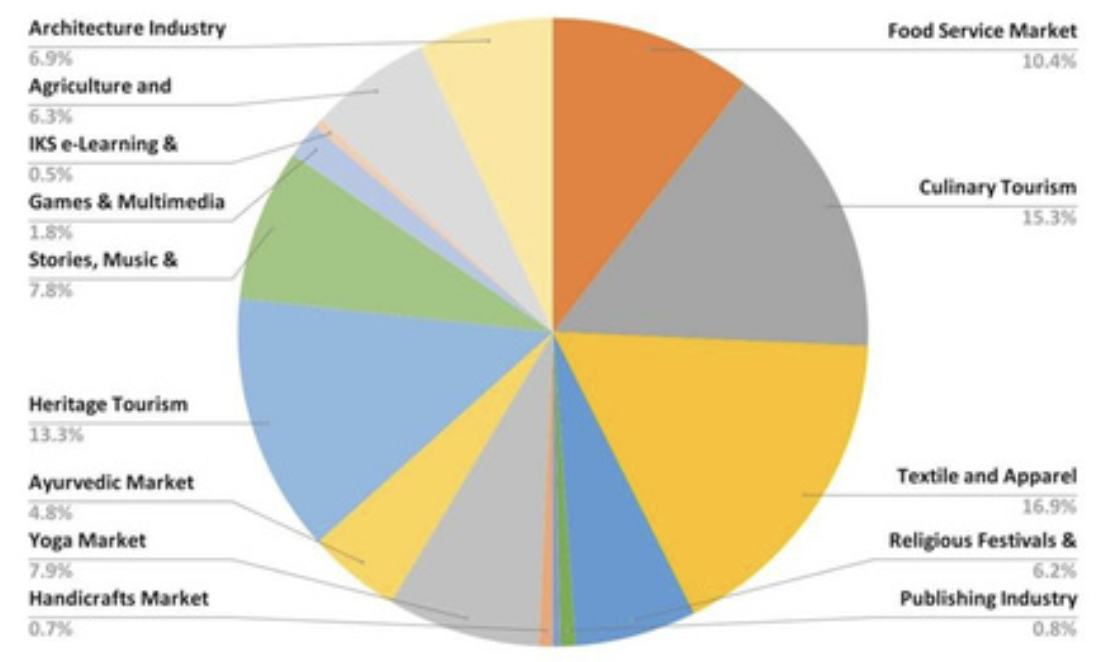
This project combines artificial intelligence, heritage science, and Indic Knowledge Systems to develop technology-driven frameworks for preserving, analyzing, and promoting India's cultural heritage. The research explores how AI, computer vision, digital knowledge systems, and heritage analytics can support evidence-based conservation while enabling knowledge-driven growth across tourism, education, traditional industries, and wellness sectors.
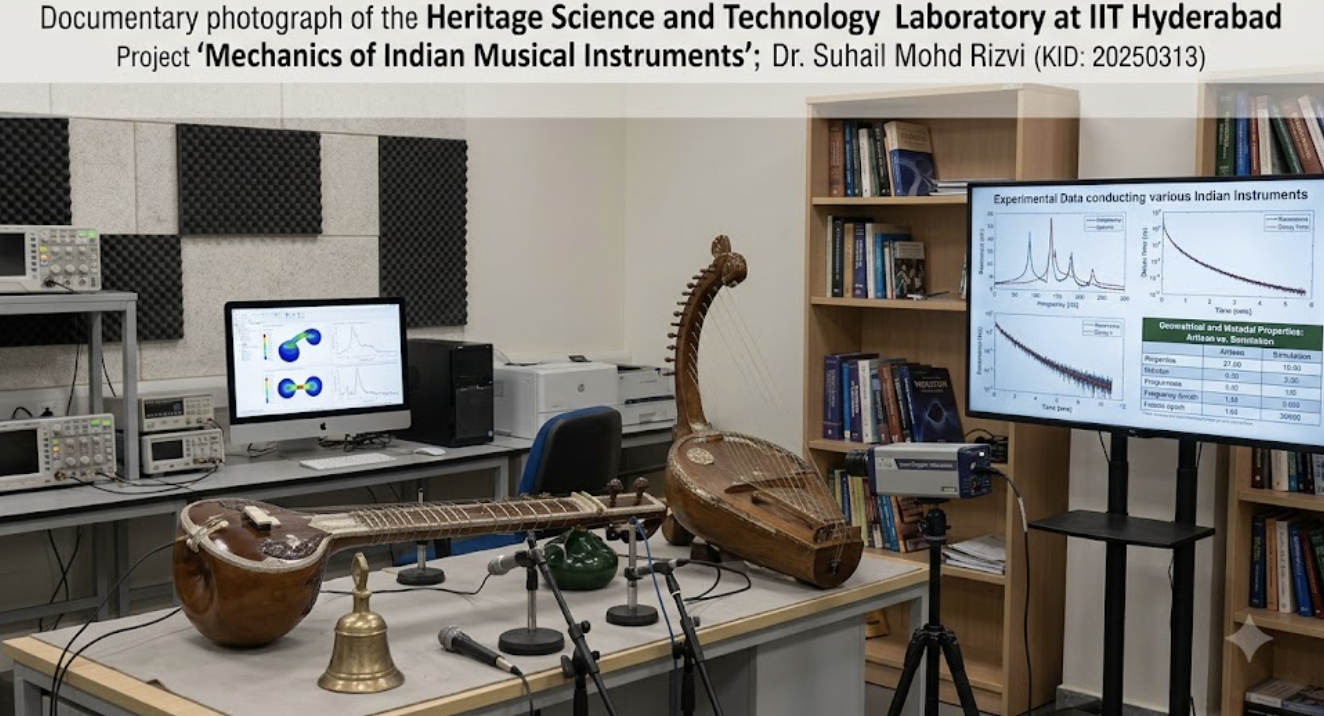
This project combines heritage science, mechanical engineering, and computational acoustics to study the dynamic behavior of Indian musical instruments. By integrating geometric characterization, material analysis, finite element modeling, and experimental validation, the research develops quantitative frameworks for understanding traditional instrument design while supporting future innovations in cultural preservation and acoustic engineering.
This project combines heritage science, computational food science, and Ayurvedic knowledge to explore the structural evolution of Indian cuisine. By integrating textual analysis, flavor modeling, computational gastronomy, and cross-regional culinary comparisons, the research develops scientific frameworks for preserving India's culinary heritage while advancing interdisciplinary research in nutrition, gastronomy, and cultural studies.
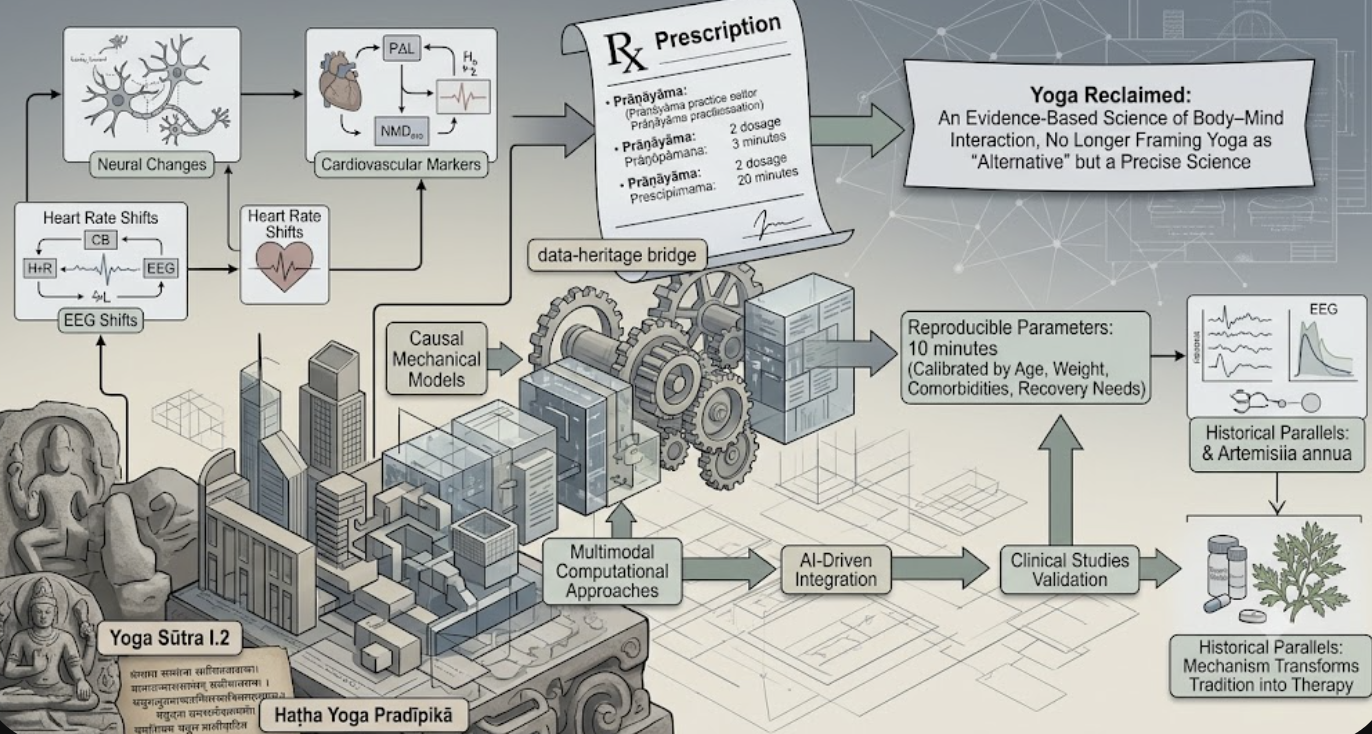
This project combines artificial intelligence, computational modeling, and biomedical engineering to study the physiological effects of yoga and prāṇāyāma. By integrating multimodal health data with modern AI techniques and traditional yogic knowledge, the research seeks to establish causal models that support personalized therapies, clinical validation, and the scientific advancement of India's yoga heritage.