This project explores the physiological and psychological effects of Trataka through a multimodal research framework combining experimental measurements with validated clinical assessments. The study evaluates autonomic nervous system responses, cardio-respiratory coupling, mindfulness, anxiety, and sleep quality to better understand the mechanisms through which traditional yogic practices promote health and well-being.
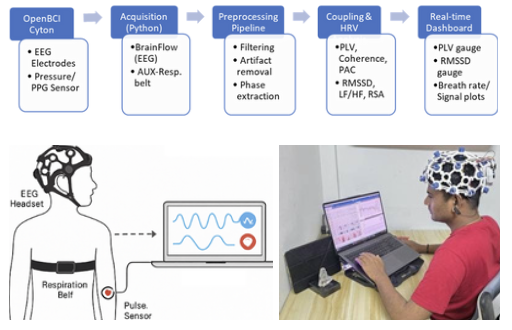
This project integrates OpenBCI, wearable physiological sensors, and computational signal processing to study the neurophysiology of yogic breathing. By analyzing synchronized EEG, respiration, and cardiac signals, the research develops intelligent frameworks for evaluating breath–brain–heart interactions, enabling applications in biofeedback, stress management, neuroscience, and personalized wellness technologies.
This project explores the integration of wearable biosensors, physiological signal processing, and machine learning to investigate the neurophysiological foundations of Swara Yoga. The research develops intelligent computational frameworks that correlate nasal airflow patterns with cardiovascular and autonomic biomarkers, enabling continuous monitoring of biological rhythms and supporting advances in personalized healthcare and heritage science.
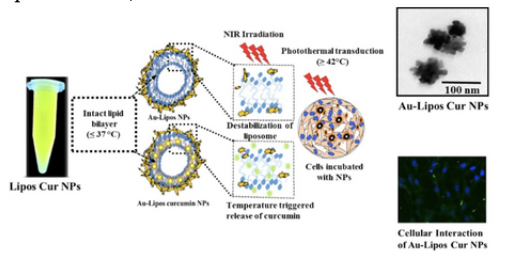
This project combines heritage science, phytochemistry, and nanomedicine to investigate plant-derived compounds described in classical Ayurvedic texts for cancer therapy. By developing innovative nanoscale drug delivery platforms for curcumin and Kadamba-derived biomolecules, the research enhances therapeutic efficacy and bioavailability while creating a scientific bridge between traditional medicinal knowledge and modern biomedical technologies.
This project combines computational physiology, systems biology, dynamical systems, and machine learning to investigate the scientific foundations of the Ayurvedic Tridosha theory. The research develops mathematical models that represent the interactions of Vata, Pitta, and Kapha within high-dimensional physiological systems, contributing to quantitative approaches for understanding health, disease, and personalized medicine.
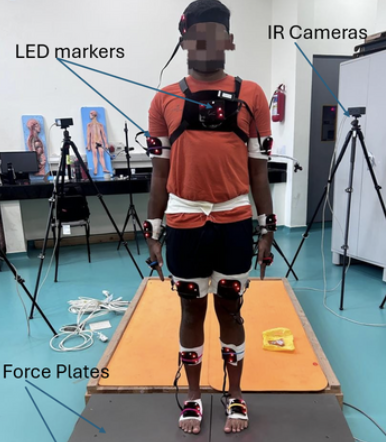
This project combines motion capture technology, OpenSim-based biomechanical modeling, and quantitative movement analysis to study the mechanics of yogāsanas. By evaluating joint motion, postural symmetry, and musculoskeletal dynamics, the research develops objective methods for assessing yogic practice, supporting applications in rehabilitation, clinical biomechanics, sports science, and heritage-informed wellness research.